
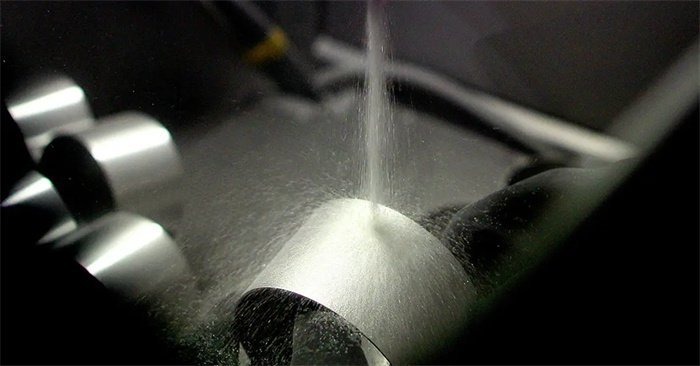
Whether you run a wheel-blast line for structural steel, an air-blast cabinet for weldments, or a shot peening cell for gears and springs, the abrasive you choose sets the pace, the finish, and the real cost per square meter. Among the many options, aluminum oxide, glass bead, steel grit, stainless shot, steel shots remain the workhorse media for cleaning, surface preparation, and fatigue-life improvement. This in-depth guide brings everything together: what steel shots are, where they shine, why they lower total cost of ownership (TCO), and when you should pick them over other abrasives.
Steel shots are spherical metallic abrasives — cast or conditioned cut wire — used in abrasive blasting and shot peening to clean metal, prepare surfaces for coating (e.g., Sa 2½), and improve fatigue strength through controlled compressive stress. Their density, roundness, and high recyclability deliver fast throughput, low dust, and consistent surface profiles.
If that’s all you needed, you can choose a size (S70 – S780), dial in velocity, and get to work. But if you want to reduce media spend, stabilize Ra/anchor profile, and boost line speed, the details below — applications, sizing, hardness, comparisons, and practical tips — will pay for themselves quickly.
Picking the correct steel shot grade, size, and hardness can cut blasting cost per m² by 20–40% in wheel-blast systems versus single-use mineral abrasives, while improving coating adhesion and lowering filter ΔP.
Table of Contents
What exactly are steel shots, and how are they made?
In blasting and peening, shape matters as much as chemistry. Steel shots are spherical by design. That shape concentrates kinetic energy predictably and leaves a rounded, controllable impact rather than a sharp gouge — perfect when you need uniform coverage, a stable anchor profile, or compressive residual stress.
Two main families exist: cast steel shot (high-carbon or low-carbon) produced by atomizing and heat-treating molten steel, and conditioned cut wire (carbon or stainless) made from drawn wire chopped and rounded to tight tolerances.
- High-carbon cast steel shot (HCS) typically runs 40–52 HRC after quench and temper. It hits hard, cleans fast, and is common in plate/beam blasting and tough scale removal.
- Low-carbon cast steel shot (LCS) is tempered for toughness (often 35–45 HRC). It fractures more slowly, creating lower dust and longer life — popular in foundry desanding and general cleaning.
- Conditioned cut wire (CCW/SCW)— carbon or stainless — delivers exceptional roundness, size precision, and durability, making it the premium choice for shot peening and for stainless fabrications where contamination is unacceptable.
- Key standards you’ll encounter on specifications and certificates of conformity: SAE J827 (cast shot), SAE J444 (size/screening), SAE J441 (cut-wire for peening), and ISO 11124 (metallic blasting abrasives). For coating prep visual grades, customers often specify ISO 8501 (e.g., Sa 2½).
Well-controlled production that meets SAE/ISO standards ensures a tight size band and roundness, which directly correlates with stable Ra/profile and lower paint failures.
What are the most common uses of steel shots?
From cleaning to cosmetic finishing and peening, steel shots cover over 80% of abrasive blasting tasks on ferrous substrates. If you’re new to media selection, start with the application first, then match size and hardness.
Core use cases include: cleaning/descaling, surface preparation for coating (Sa 2½), shot peening for fatigue life, edge rounding/deburring, and weld color removal/cosmetic blending.
- Cleaning & Descaling — Remove rust, mill scale, heat tint, and old coatings on plates, beams, pipes, trailers, and fabricated frames.
- Surface Preparation — Produce a clean, uniform anchor profile matched to primer and topcoat systems; typical profiles range 40–75 μm (≈1.5–3.0 mil) for heavy-duty coatings.
- Shot Peening — Generate compressive residual stress to delay crack initiation and slow crack growth in springs, gears, turbine blades, and fasteners; verify Almen intensity and coverage.
- Edge Rounding & Light Deburring — Micro-peening smooths punched or laser-cut edges, improving coating “holdout” and reducing cut-edge corrosion.
- Cosmetic Finishing — Blend weld color and achieve a uniform sheen. On stainless steel or non-ferrous parts, use stainless steel shot to avoid iron contamination.
When your goal is consistent profile and fast throughput, spherical steel shots provide repeatable impact geometry that angular minerals cannot match.
Where do steel shots deliver the best results?
Steel shots excel anywhere energy transfer, coverage, and recyclability are the bottlenecks. These real-world scenarios show where they outperform other media.
Best-fit applications include heavy rust/scale on carbon steel, pre-coating prep to Sa 2½, foundry desanding/descaling, precision shot peening, and weld-color removal on stainless (with stainless shot).
- Heavy Rust & Mill Scale Removal: Use S330–S460 (HCS/LCS). Maintain a working mix dominated by mid-sizes (≈60–70%) to balance cut and coverage.
- Pre-Coating Surface Prep (Sa 2½): Often S230–S390; blending a small percentage of fine shot improves coverage in corners while mid-sizes deliver profile.
- Foundry Desanding/Descaling: LCS S280–S460 for toughness and low dust; ideal in tumble/hanger wheel-blast lines.
- Shot Peening: CCW or tightly graded cast shot (S110–S330) to meet SAE J441/J827; validate Almen intensity and coverage.
- Weld Color Removal & Cosmetic Blend: S170–S280; for stainless, choose stainless shot or stainless conditioned cut wire for a clean, non-contaminating sheen.
Switching from mineral grit to steel shots in wheel-blast lines commonly yields higher line speeds and 20–50% lower media consumption due to multi-cycle reuse.
What advantages of steel shots lower your total cost?
Beyond purchase price, the economics of blasting hinge on media consumption, energy, maintenance, and filtration/disposal. Steel shots help on all four.
Advantages: high energy transfer brings faster cleaning; high recyclability (hundreds to 1,000+ cycles); lower dust and slower filter ΔP rise; consistent Ra/profile; lower wheel/nozzle wear; compliance with ISO 11124 and SAE standards.
- Throughput & Energy: Spherical impacts are efficient; more work per hit means higher line speed or fewer passes.
- Recyclability: In closed-loop systems, steel shot can circulate hundreds to 1,000+ times, shrinking $/m² dramatically compared with single-use abrasives.
- Dust & Visibility: Slower fragmentation means cleaner view for operators, less reclaim load, and longer filter life (lower ΔP increases).
- Finish & Quality: Roundness and narrow size bands translate into stable profiles and fewer coating failures.
- Equipment Wear: Less angular fracture yields slower wear on turbines/nozzles and housings, reducing maintenance downtime.
- Safety & Compliance: Steel shots are non-silica, meet ISO/SAE specs, and are available as stainless for contamination-sensitive work.
Across ferrous work, steel shots are often the lowest-TCO abrasive once you factor recyclability, visibility, filter life, and maintenance intervals.
Why choose steel shots over other materials?
Should you switch from aluminum oxide or glass bead? Or from steel grit to shot? The answer depends on substrate, finish target, and economics. Use this head-to-head to narrow the field.
Choose steel shots when you need speed, low dust, and a rounded profile on ferrous parts; choose steel grit or aluminum oxide grits for sharp profiles; choose glass bead for bright finishes on thin/non-ferrous parts; choose stainless shot to avoid contamination on stainless.
- Steel Shot vs Glass Bead: Bead is gentler and good for bright peening on thin or non-ferrous parts, but it’s brittle and typically single-use; steel shots recycle and hit harder, ideal for ferrous cleaning and prep.
- Steel Shot vs Aluminum Oxide: Alumina oxide abrasive grains cut sharply and rapidly creates a rough profile but generates more dust and wear; steel shots give a controlled, rounded profile with lower consumption.
- Steel Shot vs Steel Grit: Grit is angular and best for aggressive profile or rapid coating removal on heavily pitted steel. When your aim is coverage and consistency or peening, steel shots win.
- Steel Shot vs Stainless Shot: On carbon steel, carbon-based shot is more economical. On stainless/non-ferrous, use stainless shot to avoid iron contamination and flash rust.
For wheel-blast lines processing mostly ferrous work, switching to steel shots (from mineral abrasives) can increase productivity and cut filter and housekeeping costs significantly.
How do I select size, hardness, and machine settings?
A great media fails if size, hardness, or velocity are off. This quick framework helps you spec correctly for wheel-blast and air-blast systems.
General rules: larger sizes deepen profile but reduce coverage; smaller sizes improve coverage and lower peak-to-valley; harder shot cleans faster but wears quicker; maintain a balanced working mix for steady results.
- Size selection
- S110–S230: coverage, edge rounding, light cosmetic finishing, thin coatings.
- S230–S390: general surface prep to Sa 2½ for primers and heavy-duty coatings.
- S330–S460: heavy scale removal, structural steel, high-throughput wheel lines.
- S550–S780: deep profile on heavy fabrications (use judiciously—risk of over-profiling).
- Hardness
- 35–45 HRC (LCS): longer life, lower dust—foundry and general cleaning.
- 40–52 HRC (HCS): stronger strike for stubborn scale and faster cleaning.
- Peening: follow spec; CCW/SCW offers tight hardness and roundness.
- Velocity/Intensity
- Wheel-blast: calibrate amperage/throw speed and wheel tilt; verify profile on test coupons.
- Air-blast: optimize nozzle type/ID and pressure; keep standoff distance and angle consistent.
- Working mix management
- Screen and add make-up shot routinely; avoid excess fines (dusty, low energy) or too many coarse particles (over-profiling, coverage loss).
- Surface verification
- For coating prep: compare with ISO 8501 visual standards and measure profile (e.g., replica tape or profilometer).
- For peening: log Almen intensity and coverage; document media size/roundness/hardness checks.
Tuning velocity and working mix typically yields bigger gains than changing medias—measure first, then adjust size/hardness only as needed.
FAQs about steel shots
Hundreds of buyers and process engineers ask similar questions when optimizing their blast line. Here are concise answers you can use immediately.
Quick answers on Sa 2½, Ra/profile control, media embedment, stainless use, and when to pick grit instead of shot.
- Can steel shots achieve Sa 2½? Yes. Choose appropriate S230–S390, verify cleanliness per ISO 8501, and check profile for coating requirements.
- Will shots embed in the surface? On ductile substrates at high intensity, minor embedment can occur; reduce velocity, increase standoff, or adjust working mix.
- Do I need stainless shot on stainless steel? Yes, to avoid iron contamination and flash rust; also segregate reclaim systems to prevent cross-contamination.
- When should I use steel grit instead of shot? If you need a sharp profile or must strip heavy coatings quickly on pitted steel, grit is more efficient.
- What about dust and filters? Steel shots fracture slowly, expect lower dust loads and a slower filter ΔP rise than with brittle minerals.
- Air-blast or wheel-blast? Steel shots work in both. Wheel-blast excels in throughput; air-blast offers targeted control for complex geometries or localized peening.
Using the right media on the right machine and verifying with simple profile and intensity checks, prevents 90% of downstream coating or fatigue issues.
Conclusion
Steel shots bring a combination of speed, control, and economy that is hard to beat on ferrous parts. Their spherical geometry yields stable profiles for coating adhesion; their recyclability drives down cost per m²; and their predictable impact makes them indispensable in shot peening. Use carbon-based cast steel shots for most cleaning and prep, Low-carbon steel shots for longevity and lower dust in foundry work, and stainless shots or conditioned cut wires where contamination control or peening precision matters. When a sharp, aggressive profile is the target, pivot to steel grit or aluminum oxide; when you want a bright finish on thin/non-ferrous parts, glass bead still has a place. The smartest operations don’t marry one media forever. They test, measure, and tune to reach the lowest TCO with the right finish.